

10 Game-Changing Cheek Contouring Tips That’ll Give You Supermodel Bone Structure
Okay, let’s spill all the tea about cheek contouring. After spending years playing with every contour product under the sun (and making plenty of mistakes along the way), I’ve got some serious wisdom to drop about getting those killer cheekbones – without looking like you’ve got racing stripes on your face.
Why Cheek Contouring Is Worth Mastering
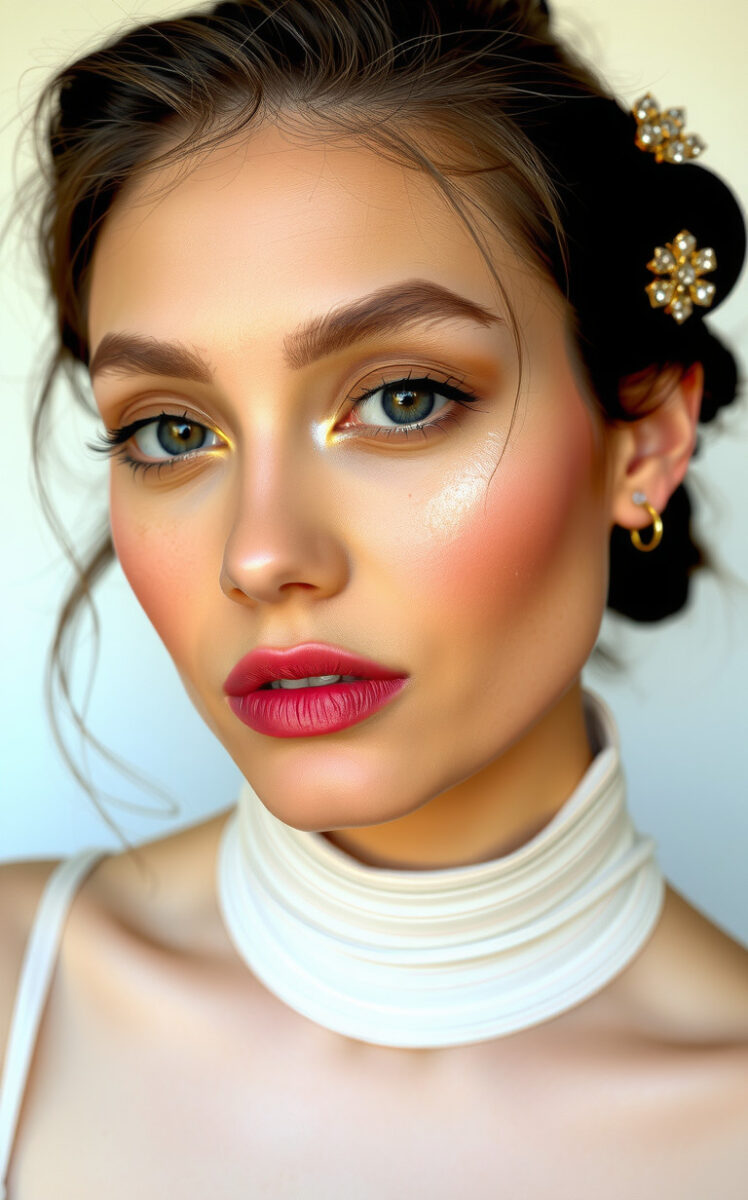
Listen, I get it. Contouring can seem intimidating, especially when you see those intense Instagram tutorials with 17 different products and geometric lines everywhere. But here’s the truth: good cheek contouring can literally transform your face, and it doesn’t have to be complicated. Think of it as creating shadows where they’d naturally fall – just enhanced a bit for the gods.
Tip #1: Finding Your Natural Cheekbones (Because They’re There, I Promise)

Before you even think about grabbing that contour product, you need to know where your cheekbones actually are. Here’s my favorite trick: suck in your cheeks (yes, like you’re making a fish face – we all do it), and feel where that hollow is. That’s your contour zone, baby.
Another pro tip? Look at your face in natural lighting and turn your head slightly to see where the shadows naturally fall. That’s where you want to enhance. I spent way too long contouring in the wrong place because I was following someone else’s face shape instead of working with my own.
Tip #2: Picking Your Perfect Contour Shade (And Why You’re Probably Using The Wrong One)

Here’s something that took me embarrassingly long to figure out: that cool-toned contour that looks amazing on your favorite beauty influencer might look straight-up muddy on you. The key is matching your undertone:
- If you’ve got warm undertones, go for a contour with slightly warm (but not orange!) undertones
- Cool undertones? Stick to cool, taupe-y shades
- Neutral? Lucky you – you can usually work with either
And please, for the love of all things holy, go only 1-2 shades darker than your skin tone. I don’t care if that YouTube guru is using something four shades darker – unless you’re going to be under professional lighting, subtle is better.
Tip #3: The Placement That Changed My Life
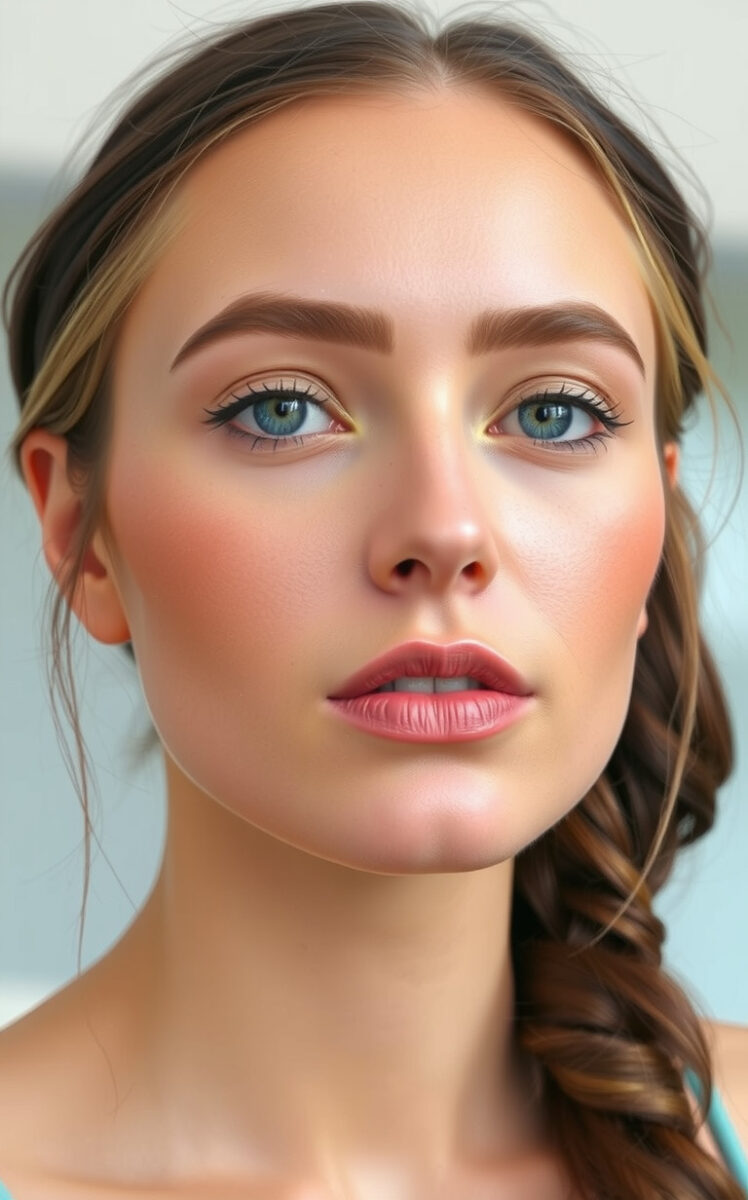
Y’all, I had a literal makeup epiphany when I learned this: your contour should never start at the edge of your face. Leave a little space (about a finger’s width) between your hairline and where you start your contour. This prevents that harsh stripe look that screams “I’m wearing contour!”
Also, angle that contour up toward your temples, not down toward your mouth. Think about it – we’re trying to lift the face, not drag it down. I made this mistake for years and couldn’t figure out why my face always looked droopy in photos.
Tip #4: Blending Secrets From A Reformed Heavy-Handed Queen
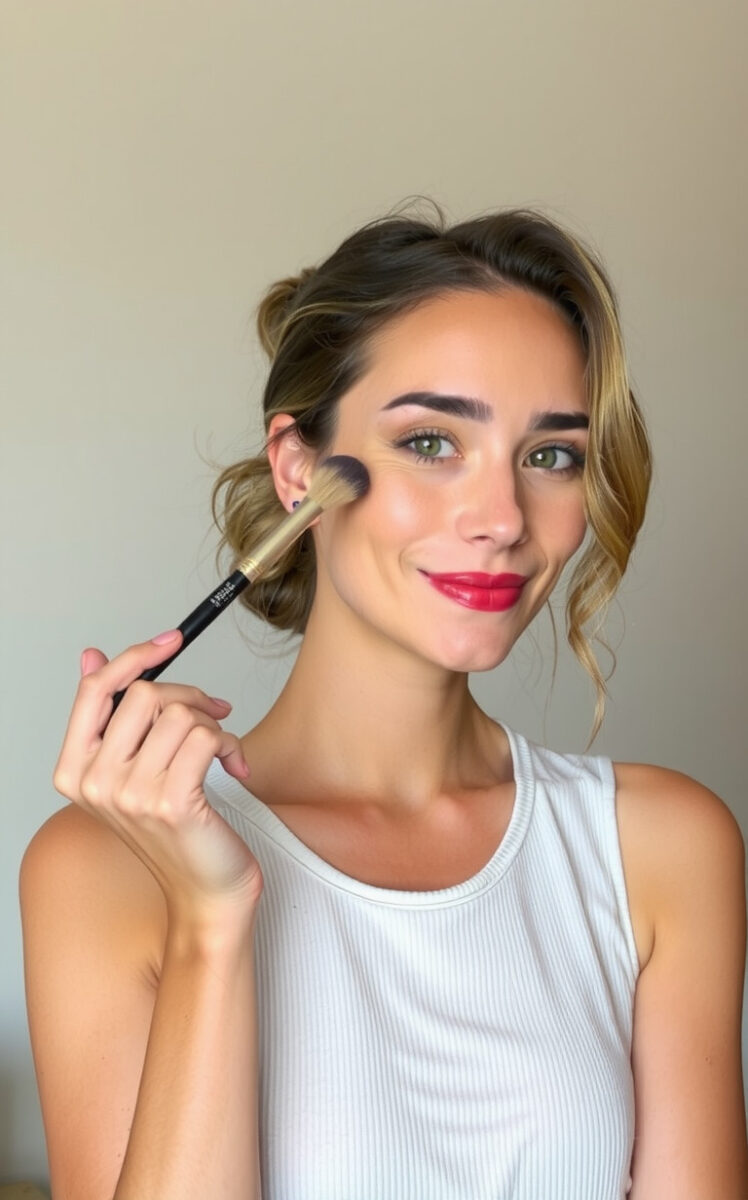
Let me share the biggest lesson I learned after years of looking like I’d been playing in dirt: blend up and out, never down. Here’s my foolproof technique:
- Start with less product than you think you need
- Use small, circular motions to blend upward
- Take a clean brush (this is crucial!) and blend the edges
- Step back and check your work in different lighting
And remember: if you can see where your contour starts and stops, keep blending, sis.
Tip #5: The Tools That Actually Matter
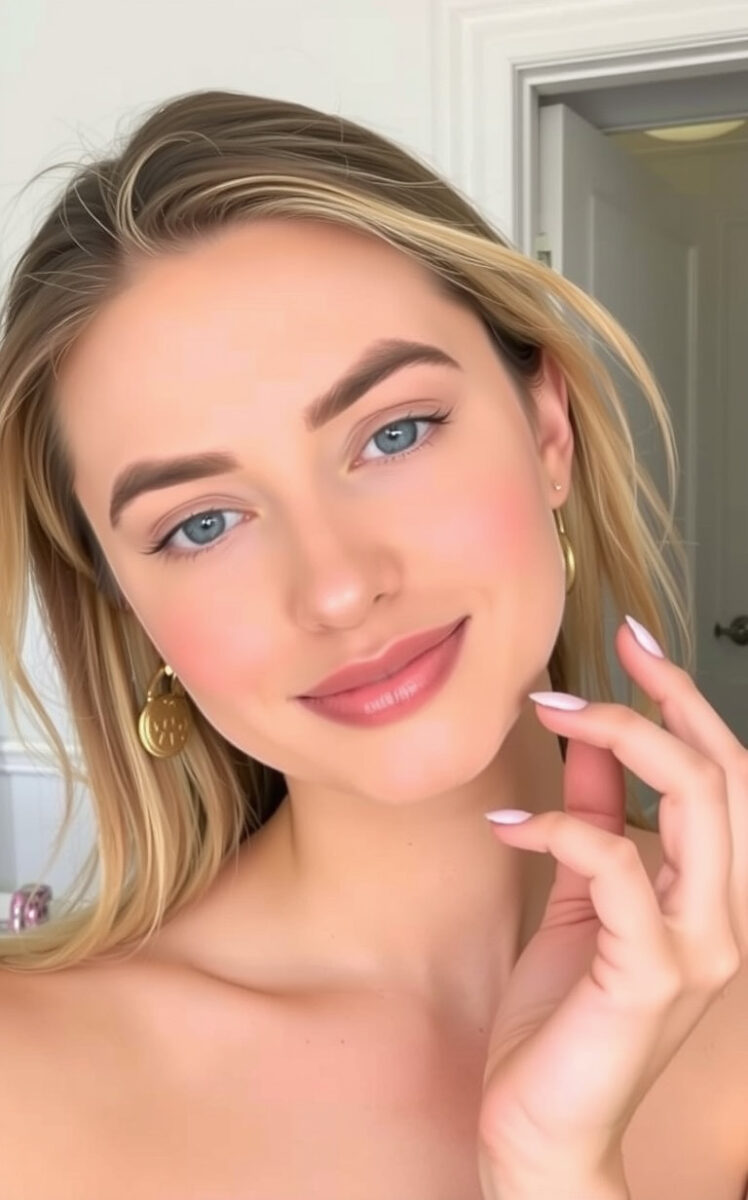
Can we talk about brushes for a minute? Because I’ve wasted so much money on fancy contour brushes that did nothing but make me look streaky. Here’s what actually works:
- For cream contour: a dense, angled brush or beauty sponge
- For powder: a fluffy, angled brush that’s not too dense
- For blending: a clean, fluffy brush just for buffing out edges
The real MVP? That clean blending brush. I keep one in my kit just for smoothing out edges, no product needed.
Tip #6: Cream vs. Powder (The Eternal Debate)
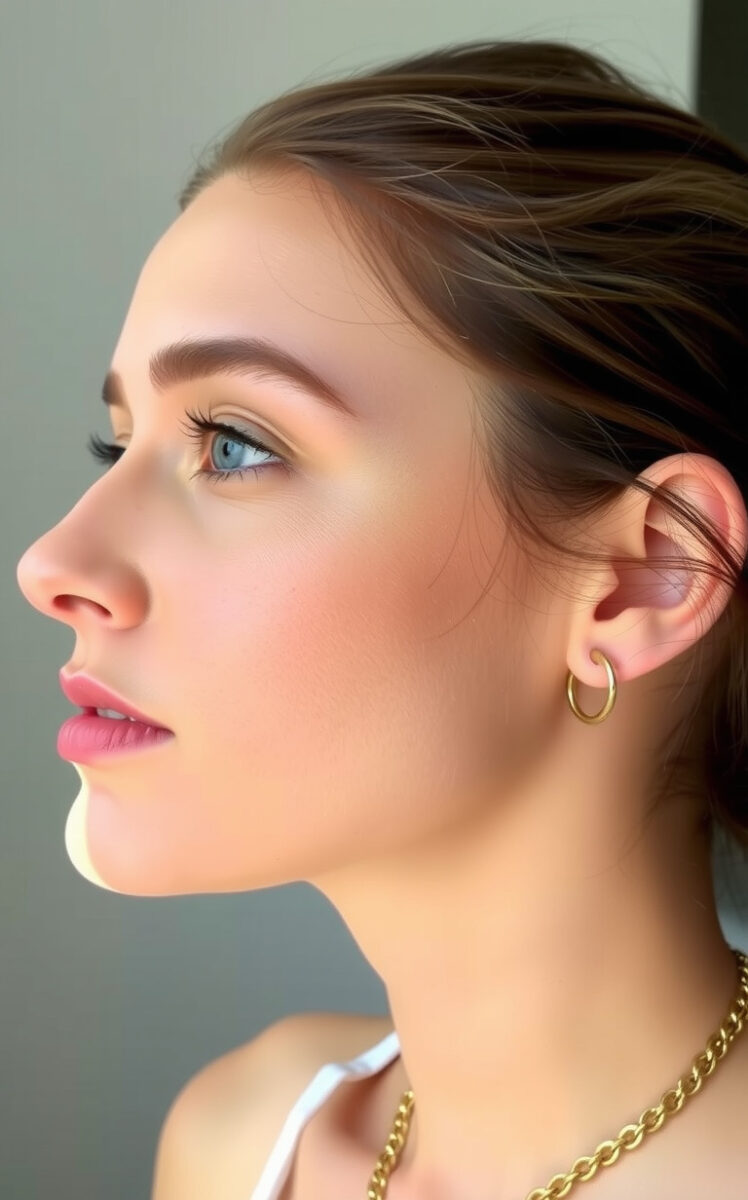
Okay, here’s my hot take: you don’t have to choose. Different situations call for different products. Cream contour looks more natural and photographs beautifully, but powder is more foolproof and lasts longer.
My go-to combo? Cream contour for special events and photos, powder for everyday wear. And if you’re feeling extra, layer them – cream first, set with powder contour. Just remember to blend between layers like your life depends on it.
Tip #7: Working With Your Face Shape

This is where things get personal, because no two faces are exactly alike. Here’s a quick guide:
Round faces: Focus on creating length by angling your contour more upward
Square faces: Soften angles by blending more thoroughly at the edges
Heart-shaped faces: Keep the contour subtle near the temples
Oval faces: You lucky ducks can follow any contour pattern
But here’s the real tea: these are just guidelines, not rules. Play around and find what makes you feel most confident.
Tip #8: The Highlight-Contour Connection

Let’s talk about how your highlight affects your contour game. The space between your contour and highlight is crucial – too close together and you lose the effect, too far apart and it looks disconnected.
My rule of thumb? Leave about a finger’s width of natural foundation between your contour and highlight. This creates that perfect balance that makes people think you just naturally have amazing bone structure.
Tip #9: Making It Last All Day (Without Looking Crazy)
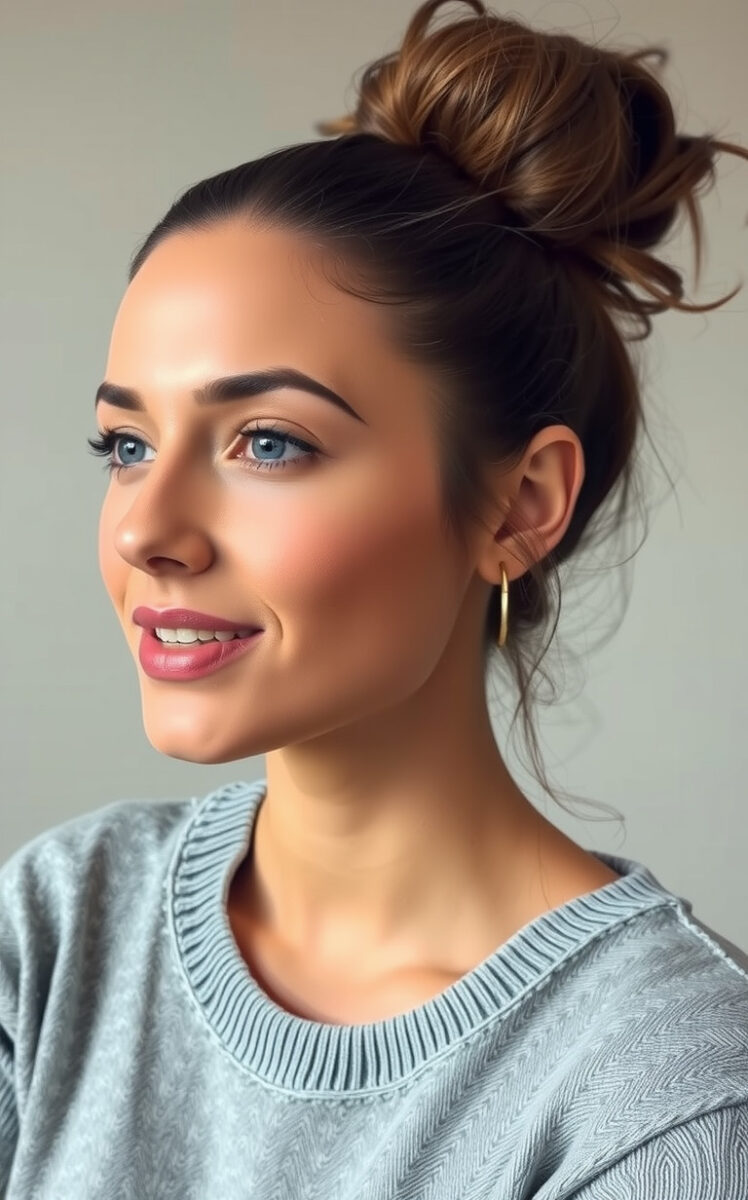
Nobody wants their contour to pull a disappearing act by lunch. Here’s my tried-and-true method for long-lasting cheek contour:
- Use a good primer (focus on where you’ll place your contour)
- Apply your contour in thin layers
- Set cream products with a matching powder
- Finish with a setting spray, but press it in with a beauty sponge instead of spraying directly
And always, always carry a small powder brush for touch-ups. Even the best application might need a little love after a few hours.
Tip #10: Fixing Common Mistakes (Because We All Make Them)

Let’s keep it real – we’ve all had those moments where our contour went wrong. Here are my favorite fixes:
- Too dark? Blend it out with your foundation brush
- Too low? Add a bit of highlight above it to lift the area
- Too harsh? Take your powder puff and gently roll over the edges
- Too warm? Add a cool-toned bronzer to neutralize it
The best fix? Prevention. Always start with less product than you think you need – you can always add more, but taking it away is a whole ordeal.
Real Talk: When to Break The Rules
Here’s something nobody tells you: sometimes the “rules” don’t work for your face, and that’s totally fine. I spent years following every contour rule to the letter before realizing that some techniques just don’t work for my face shape – and that’s okay!
The best contour is the one that makes you feel confident. Some days that might mean a full-on sculpted look, and other days it might mean just a hint of definition. Both are perfectly valid.
The Bottom Line
At the end of the day, cheek contouring should enhance your natural features, not completely change them. If someone can immediately tell you’re wearing contour, you might want to blend a bit more. The goal is to have people asking if you’ve lost weight or got more sleep, not what contour product you’re using.
Remember, all those perfect contours you see on social media usually have perfect lighting, filters, and strategic angles helping them along. In real life, your contour should be your little secret – subtle enough to enhance, but natural enough to look like you just woke up like this.
Now go forth and contour those cheeks with confidence. You’ve got this, babe!


